In a move that has stirred both the global spirits market and the Chinese internet, the official English name for the iconic Chinese distilled spirit has been officially changed. The former 'Chinese distilled spirits' or the transliterated 'Baijiu' is now standardized internationally as 'Chinese Baijiu'. This seemingly simple change, driven by industry associations to clarify its unique status and cultural identity on the world stage, has sparked a wave of reactions, particularly among netizens.
For decades, the international classification often grouped the diverse world of Chinese grain-based spirits under broad categories like 'distilled spirits', failing to capture its distinct production methods—using qu (a fermentation starter), solid-state fermentation, and distillation—and its profound cultural significance. The new name 'Chinese Baijiu' directly transliterates the Chinese term (白酒, báijiǔ, meaning 'white liquor'), creating a clear, unique identifier akin to 'Scotch Whisky' or 'French Cognac'. This branding effort aims to enhance its recognition, protect its heritage, and boost its competitiveness in global markets.
The reaction on Chinese social media has been lighthearted and largely positive. A common sentiment among netizens is relief and amusement: 'Great! One less English word to memorize!' and 'Finally, no need to explain it awkwardly as 'Chinese white wine' which confuses it with grape wine.' This reflects a playful pride in the simplification. Others have made humorous comments about the potential for 'Baijiu' to become a trendy international term, suggesting it might join the ranks of words like 'kung fu' and 'tofu' that have entered the global lexicon directly from Chinese.
From an industry perspective, particularly for import and export, this change is significant. It standardizes trade documentation, customs codes, and marketing materials worldwide. For exporters, it eliminates confusion with other spirits, allowing for more targeted branding and potentially higher value positioning. Importers and foreign distributors now have a precise category to work with, which could simplify logistics and consumer education. The China Alcoholic Drinks Association has been actively promoting this change through international exhibitions and trade discussions, signaling a concerted push to expand Baijiu's global footprint.
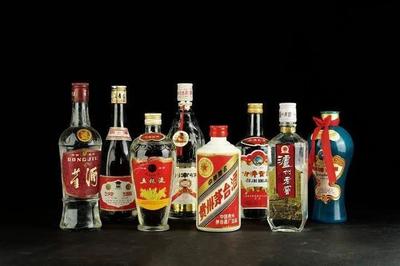
However, the challenge remains substantial. While the name is now clearer, introducing the complex flavors and drinking culture of Baijiu—ranging from the strong aroma of Maotai to the light elegance of Fenjiu—to a global audience accustomed to whiskey, vodka, or gin, requires sustained effort. The rename is just the first step in a long-term strategy to cultivate appreciation and demand outside of traditional Chinese diaspora markets.
In essence, the shift to 'Chinese Baijiu' is more than a translation update. It is a statement of cultural confidence and an ambitious business strategy. It declares to the world that this ancient beverage is a category unto itself, worthy of its own name and place on the global shelf. And for the Chinese public, it comes with the delightful bonus of, as netizens cheer, 'one less vocabulary word to worry about' in the ever-expanding realm of English terminology.